


IN POLITICS, political wisdom and correctness is everything. Ultimately winning influence matters as much as winning constituencies.
That is why DAP humbled themselves to accept lesser ministries and forgo the deputy premiership despite having the biggest number of MPs in the Madani government.
They ate humble pie to UMNO and GPS by surrendering the two deputy premiership. Worst they allowed Umno to have a bigger influence in the government despite being the biggest.
Therefore, MCA’s negotiations over the Melaka state election should be assessed not merely by how many seats it contests, but by what it can realistically secure for its place in the state government.

Justifying Wee’s anger
Datuk Seri Wee Ka Siong’s initial anger over MCA being allocated only two seats in the Melaka state election was perfectly understandable.
After all, MCA is a longstanding component party of Barisan Nasional (BN), and decisions affecting its political future should never be made without proper consultation.
His objection was also about dignity, recognition and the principle of treating coalition partners as equals.
Basically he is protesting against the decision or announcement which was unilaterally made without consultation or consensus building practiced by BN as a matter of political convention.
However, once the initial emotions have subsided and UMNO made amends, the more fundamental question deserves consideration: should political strength be measured exclusively by the number of state constituencies a party contests, or by the influence it can exercise in the government that eventually emerges?
This is where political pragmatism comes into the picture.
The reality of electoral arithmetic:
MCA contested seven seats in the 2021 Melaka state election but won only two: Machap Jaya and Klebang.
The other five seats went to rival parties. This electoral record is an important consideration when negotiating seat allocations.
Political parties must recognise that historical claims and traditional constituencies do not automatically translate into electoral victories.
Nor does contesting more seats necessarily strengthen a party if its candidates face difficult electoral circumstances.
There is little value in insisting on contesting constituencies simply to preserve appearances, especially where the electoral prospects are limited.
Resources are finite. A party should be asking itself whether contesting an additional difficult seat is a better use of its resources than securing a meaningful position in the state administration.
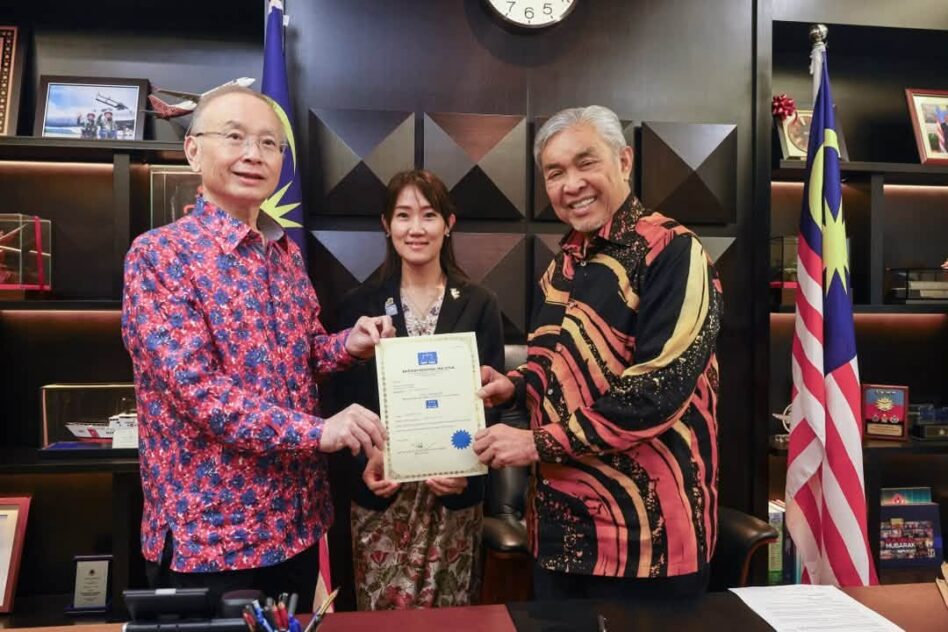
Representation is more than contesting seats
The argument for accepting a smaller allocation of seats becomes more compelling if it comes with a meaningful commitment to representation in the state government.
An additional Executive Council (EXCO) position, for example, could provide MCA with a direct platform to participate in policymaking, raise community concerns and contribute to the administration of Melaka.
An EXCO position is not merely an honorary appointment. It carries administrative responsibilities and the opportunity to influence decisions within the portfolio entrusted to its holder.
For a party concerned about ensuring that the Chinese community continues to have a voice in state affairs, representation within the executive branch may offer a different and potentially significant avenue of participation.
Of course, this depends on the portfolio, the authority attached to the appointment and the sincerity with which the arrangement is implemented.
The key is to distinguish between symbolic representation and meaningful participation.
Give up seats that are difficult to win in exchange for another Exco is an improvement and progress for MCA.
There is an important difference between surrendering political ground and making a calculated adjustment to electoral strategy.
If certain constituencies are unlikely to yield victories for MCA, negotiating their allocation to coalition partners need not be interpreted as abandoning the party’s political responsibilities.
Instead, it could allow the coalition to concentrate its resources where each component party has a stronger electoral presence.
In return, MCA could negotiate a more substantial role in the state government, ensuring that its contribution is recognised beyond the election campaign.
This is not necessarily a retreat. It is strategic. It is a different way of approaching political representation.
But any such exchange must be based on clear commitments. A promise of an additional EXCO position should be specific, agreed upon by the relevant coalition leadership and honoured after the election if the coalition forms the government.
An additional seat in Bandar Hilir is a “face saving” factor, a ladder.
Wee was right to demand respect, but negotiations must eventually produce results.
Wee’s initial protest should not be dismissed. His insistence on consultation was a legitimate concern for any political party participating in a coalition.
No partner should be expected to accept decisions made unilaterally and then be told to fall in line.
Nevertheless, leadership also requires knowing when to stand firm and when to negotiate.
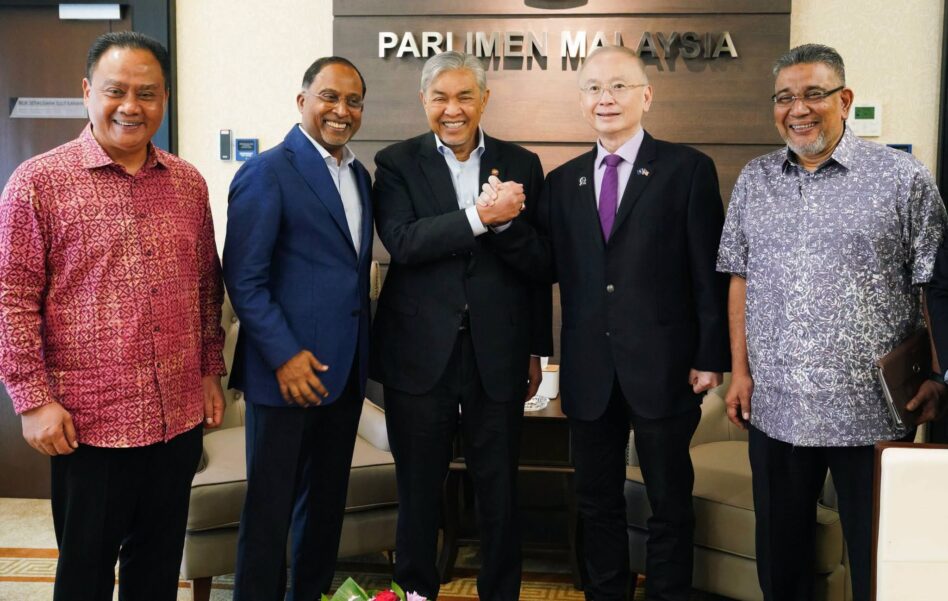
In search of balance
Once discussions have produced an improved arrangement, political leaders must assess the outcome objectively rather than remain trapped by the emotions of the original dispute.
MCA must consider what it wants to achieve in Melaka.
Is the objective simply to contest as many seats as possible, regardless of electoral prospects?
Or is it to retain elected representation, secure meaningful participation in the state government and ensure that the concerns of the community it represents are heard?
Political negotiations often require compromise. If DAP can swallow their pride from a position of strength, why can’t MCA do the same from a position of weakness.
Fact is MCA have regained grounds but is still not there in electorate support which is still very much “scammed” by DAP – their real rival.
I have insisted that MCA breakaway from Madani government strictly on the basis that it is DAP and not UMNO or PAS that wanted to bury MCA for good.
Their leaders have expressed this openly before but am more subtle now.
The proposed exchange of difficult-to-win constituencies for an additional EXCO position therefore raises a legitimate question of political strategy.
Its merits depend on whether the executive position is guaranteed, whether it carries substantive responsibilities and whether MCA retains sufficient electoral representation.
The number of seats a party contests may determine the size of its electoral battlefield. The role it secures in government may determine how much it can contribute after the election.
For MCA, the challenge is to balance both; preserving its political dignity, retaining a credible electoral presence and negotiating a meaningful role in the administration of Melaka.
That is the real test of coalition politics: not how loudly a party can protest when negotiations turn against it, but how effectively it can turn difficult negotiations into concrete and lasting representation. – Oct 30, 2026
Main image credit: Datuk Seri Ti Lian Ker/ Facebook
Datuk Seri Ti Lian Ker is former deputy youth & sports minister and a former central committee member of MCA
The views expressed are solely of the author and do not necessarily reflect those of Focus Malaysia.