

A HIGH electricity bill can strengthen the financial case for residential solar, but a RM150-RM300 monthly bill does not necessarily rule a household out, according to SOLS Energy deputy CEO and former chief sales officer Jaran Walia.
“A higher bill does mean a bigger benefit. But the bill alone doesn’t decide it. I’ve always said it comes down to three things: your bill, your roof and your budget,” Walia told FocusM.
Households paying above RM250 generally see stronger returns because there is more grid electricity for solar generation to replace. Even so, when a family uses power, its roof and what it can comfortably spend may change the calculation.
The bill is only the first filter
Two homes with the same RM200 bill can produce very different results. A family running air-conditioning, refrigeration and appliances during the day can consume solar electricity as it is generated.
Another may be empty until evening, when its panels are producing little or no power.
“Under Solar ATAP, the power you use directly from your panels saves you the most,” Walia said. Roof orientation, shade, available space, the property’s electrical phase and plans such as buying an electric vehicle also affect the recommendation.
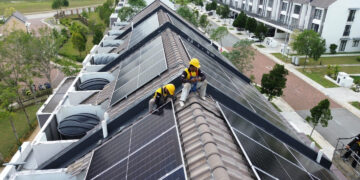
As a rough guide, he said a RM150 monthly bill may point to four or five panels, while a RM300 bill may point to ten or eleven. These are starting points rather than prescriptions.
A family planning to move soon may not realise the value, while an ageing or heavily shaded roof should be dealt with first.
Smaller systems are changing the entry point
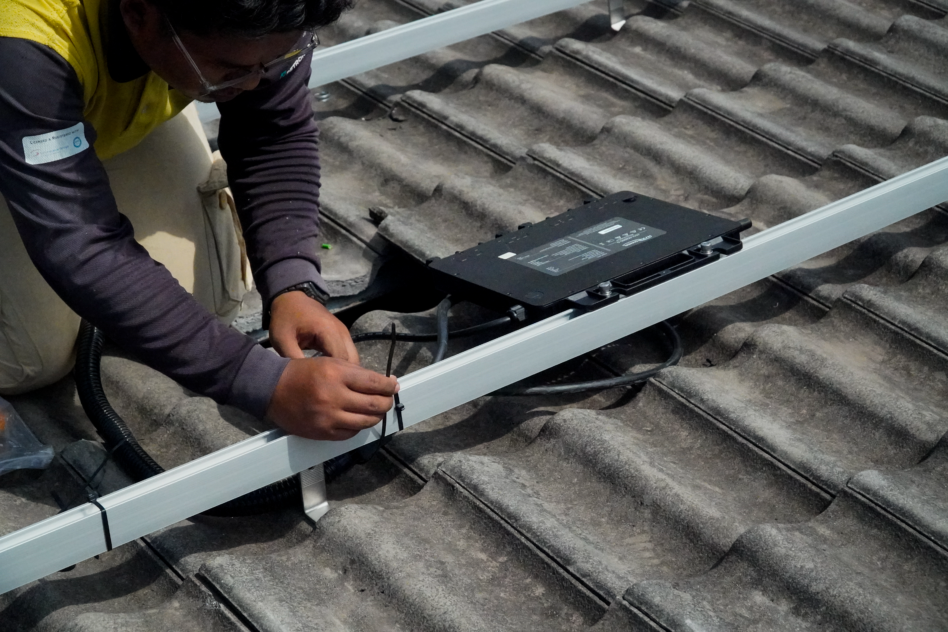
Residential solar was previously sold largely through standard packages that favoured homes with higher consumption. Improvements in panel output and micro inverter technology have since made smaller configurations more practical.
SOLS Energy’s smallest residential system has fallen from 4kWp in 2023 to two panels, or about 1.28kWp. Its Solar MAS range allows households to add panels later as their consumption or finances change.
“I describe it as Lego for solar. You start with what you need and can afford today. When the family grows, or you buy an EV, you add panels. Nothing gets replaced and nothing gets redesigned,” Walia said.
Microinverters can reduce the effect of partial shade and allow panel-level monitoring, but they are not the default for every property. A hybrid inverter may suit a household that wants backup power, while a conventional string system may suit a large, unshaded roof.
“The skill is matching the system to the home, not selling one product to everyone,” Walia said.
The proposal must show its workings
A responsible proposal should show a range of expected savings rather than a best-case figure, the estimated payback period with and without rebates, and what happens if the household’s consumption changes.
Walia put the typical payback period for smaller systems at six to eight years. Financing can lower the upfront hurdle, but instalments must remain manageable and should not erase the expected savings. The cheapest quotation may also cost more over time if it excludes roof checks, safety devices, monitoring or after-sales support.
Incentives should not dictate system size
Solar ATAP, which took effect on Jan 1, 2026, allows eligible consumers to use their own solar electricity and export surplus power. Because direct consumption generally creates the strongest saving, filling every available section of roof does not automatically produce a better return.
Eligible Malaysian domestic customers may also receive a one-off rebate under SuRIA Home of RM600 for each kWac of inverter capacity, capped at RM3,000, subject to the programme’s prevailing terms and available allocation.
Walia cautioned homeowners against allowing the incentive to dictate the size of their purchase. “Treat the rebate as a discount on the right system, never as the reason to buy a bigger one,” he said.
Size the system around the household
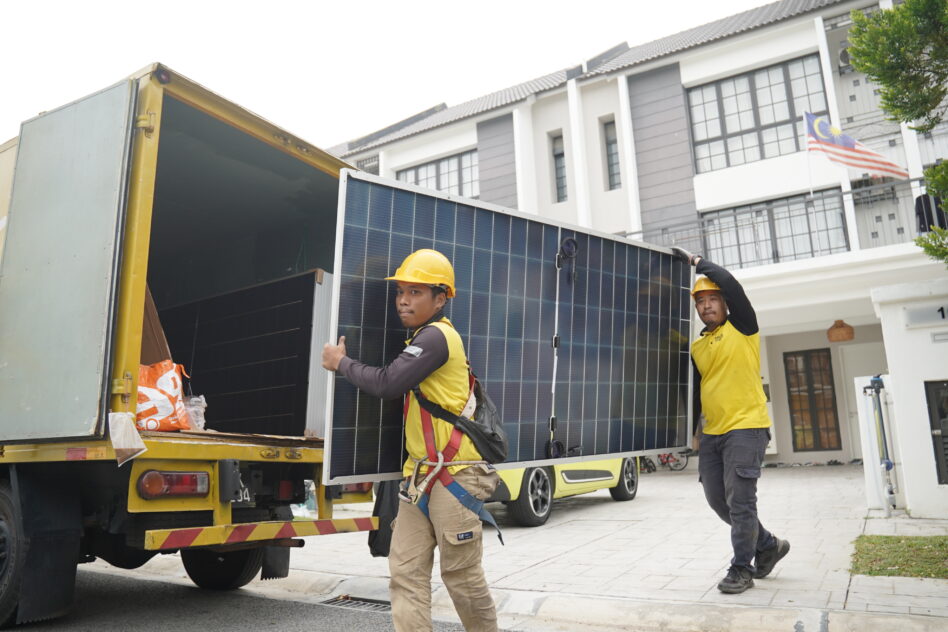
Walia described a typical single-phase terrace home with a RM200 monthly TNB bill. Although its roof could accommodate more than ten panels, most electricity use occurred in the evening.
The recommendation was therefore a six-panel microinverter system, with estimated monthly savings of RM100 to RM130, subject to actual generation and consumption.
A battery was not recommended because the numbers did not justify its additional cost, but panels could be added later if usage increased. The example also underlines what solar cannot promise: it may reduce a bill but will not necessarily eliminate it, and some fixed charges remain.
A lower bill no longer rules a household out, but it does not guarantee that a small system will be worthwhile.
Homeowners should ask how much electricity they use during the day, whether their roof is suitable, what they can comfortably afford and how the projected savings were calculated.
“Every customer gets a savings range and a payback period based on their own bills, numbers they can verify themselves,” Walia said.
“Trust is what moves this industry forward, and trust comes from transparency.”‒Nov 25, 2026