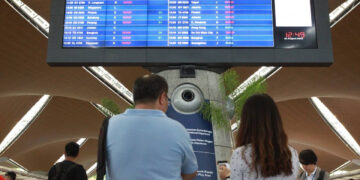


CONTRACTUAL services can be paid for through annual instalments, as with life insurance policies, or through full payment before the service begins, as is often required for flights, cruises and tour packages.
While payments to established insurance companies and banks may offer a degree of security, the same cannot always be said of airlines, cruise operators and tour companies.
Even large and well-known travel companies can collapse. One of the most prominent examples was Thomas Cook, the British travel company founded in 1841, which went into compulsory liquidation in September 2019 after 178 years in business.
Its collapse disrupted the holidays of hundreds of thousands of customers worldwide, including British tourists stranded overseas.
The UK Government and Civil Aviation Authority (CAA) subsequently launched Operation Matterhorn, the largest peacetime repatriation effort in British history. Between Sept 23 and Oct 7, 2019, 746 flights were organised to bring stranded passengers home. More than 150,000 British nationals were repatriated.
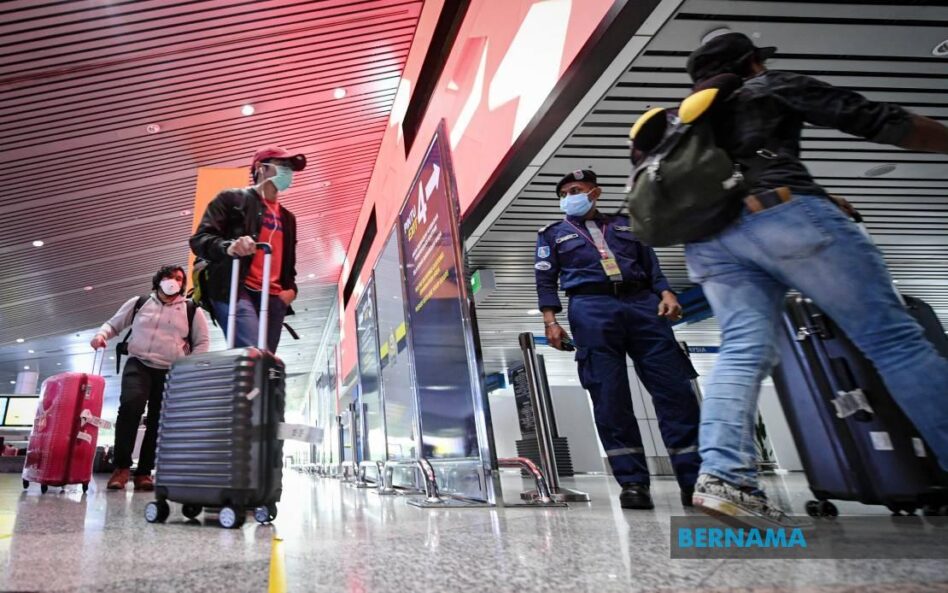
The COVID-19 pandemic provided another stark reminder of the vulnerability of the travel industry.
In 2020, international air travel ground to a near standstill as countries imposed border restrictions and airlines suspended services.
Malaysian travellers will remember the difficulties surrounding refunds for cancelled flights, with some airlines offering travel vouchers or credits instead of immediate cash refunds.
AirAsia, for instance, faced considerable financial pressure during the pandemic. Its financial position has since undergone significant changes, but its latest reported results still reflect the challenges facing the airline group.
Travellers should therefore avoid making assumptions about an operator’s financial health based solely on its brand recognition or market presence.
For air travel, booking several months ahead does not necessarily guarantee the best price or the greatest security. The ideal booking window depends on the destination, season, airline and demand.
Travellers should compare fares, consider cancellation and refund conditions, and avoid paying for flights too far in advance unless the savings justify the risk. Travel insurance may provide additional protection, although coverage for airline insolvency varies between policies.
Cruises are a different proposition. Booking six months or more in advance may be worthwhile, particularly for travellers who have specific cabin preferences. Cabins range from windowless interior rooms to suites with balconies overlooking the sea.
Since passengers may spend one or two weeks aboard, cabin location and comfort can make a considerable difference to the holiday experience.
Group tours also require careful consideration. Travellers are often transferred by bus from airports to hotels, with sightseeing activities and overnight stays arranged along the way.
Multi-destination itineraries can involve considerable time spent travelling, checking in and out of hotels, and repeatedly packing and unpacking luggage.
Tour packages that squeeze too many activities into a short period can be particularly tiring for older travellers. Some may even need another holiday to recover from the first.
For a more relaxed experience, cruises offer the advantage of unpacking only once while visiting several destinations without repeatedly changing hotels.
Some wealthy retirees opt for world cruises lasting three to four months before returning home to resume their normal lives.
Others take the idea further by choosing to live permanently aboard residential cruise ships, treating them as floating homes while travelling around the world.
They may be able to afford this lifestyle after selling their homes and using the proceeds to purchase or lease a cabin.
However, such an arrangement involves considerable financial and practical risks, including the operator’s long-term viability, healthcare access, insurance and the availability of alternative accommodation should the service cease.
Over the past few years, my 79-year-old Australian brother had been considering living aboard a residential cruise ship for the rest of his life.
The idea did not materialise because his much younger Korean wife feels very much at home in Sydney, where she enjoys the company of a large South Korean community.
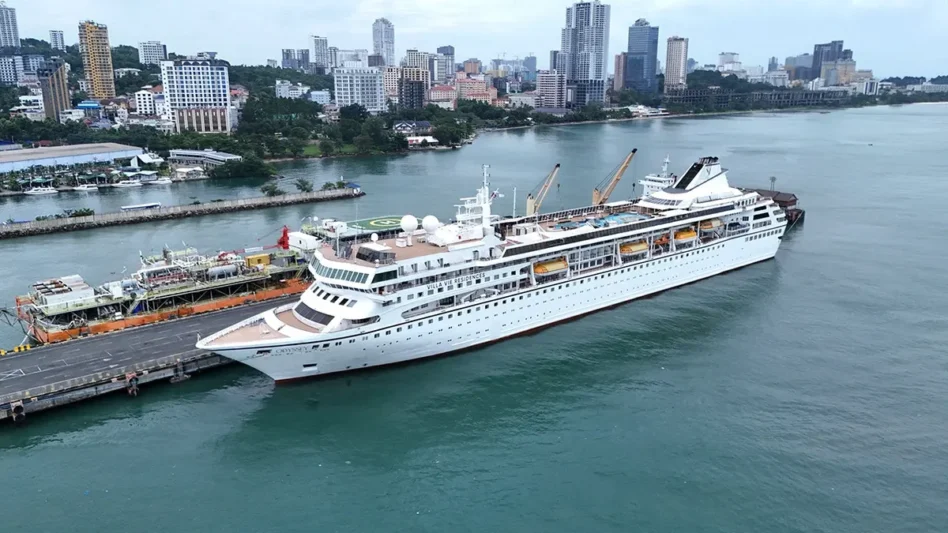
A recent incident in Cambodia illustrates the risks of residential cruising. On Oct 28, 2026, 203 passengers aboard the MV Odyssey, operated by Florida-based Villa Vie Residences, were ordered to disembark at Sihanoukville after the company suspended operations in the country.
The operator attributed the decision to a sharp increase in fuel costs, which had placed its business model under severe financial pressure. The ship subsequently departed Cambodia without its passengers on Nov 4, while many were still making alternative arrangements.
The incident is a reminder that even an arrangement marketed as a permanent home at sea depends on the financial stability of the company operating the vessel.
Ultimately, travellers should look beyond attractive prices and appealing itineraries before committing large sums of money.
They should examine the operator’s financial standing, payment terms, refund policies and insolvency protection, and consider paying by credit card where available. A holiday should be an enjoyable experience, not a financial gamble.‒Nov 6, 2026
YS Chanis a tourism, transport and training consultant.
The views expressed are solely of the author and do not necessarily reflect those of Focus Malaysia.
Main image: The Star