






Negeri Sembilan State Election
2026
Learn more
PETALING JAYA: Nestle Malaysia is on track to achieve its next climate milestone of reducing greenhouse gas (GHG) emissions by 50% by 2030 from its 2018 baseline after surpassing its interim 2025 target with a 31% reduction, CEO Juan Aranols said.
The food and beverage manufacturer exceeded its initial target of a 20% reduction by 2025 through a broad range of initiatives across its operations and value chain, including the transition to 100% renewable electricity across its Malaysian operations, improvements in manufacturing efficiency, regenerative agriculture, sustainable sourcing, circular packaging and ecosystem restoration.
Aranols said the next phase of Nestle Malaysia’s decarbonisation journey will require a broader transformation that extends beyond factories into its agricultural supply chain, supplier network and global commodity sourcing, where the majority of the company’s emissions originate.
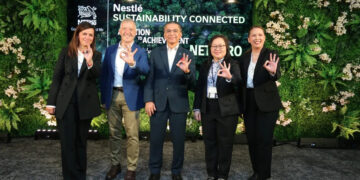
“We are totally committed to get there. We are building the plan, we are building all the activities that should lead to that in Malaysia, and also leveraging our global supply chain when it comes to the supply of certain commodities,” he told reporters at Nestle Malaysia’s Net Zero Milestone event today.
While expressing confidence in achieving the next milestone, Aranols said execution remains the company’s immediate priority.
“I’m always confident,” he said when asked whether Nestle could exceed its emissions reduction target. If we can exceed it, we will exceed it. But now the focus is making sure that we have the plan to deliver on this commitment.”
Aranols attributed that confidence to the breadth of sustainability initiatives being implemented across the Nestle Group globally, particularly programmes aimed at reducing emissions throughout agricultural supply chains, which account for the largest share of the company’s carbon footprint.
“First, we have our commitment here, but it’s also all the work that the Nestle Group is doing globally, working with suppliers.
““When you look at the global dairy supply, there is a lot of work that is going on to reduce the carbon impact of farming activities and milk collection. We are working, of course, in our factories to reduce further the impact of our manufacturing activity. So again, there is a whole set of activities that we do.”
Aranols said Nestle is also working closely with suppliers to reduce emissions from farming through regenerative agricultural practices while improving manufacturing efficiency by lowering energy and water consumption and expanding the adoption of renewable electricity across its operations.
He added that the company’s net zero strategy spans sustainable packaging, responsible sourcing, community recycling, reforestation and ecosystem restoration, reflecting Nestle’s belief that meaningful emissions reductions require action across the entire value chain.
Aranols highlighted Nestle Kitar, the company’s refreshed sustainability platform for Project SAVE (Segregate, Avoid, Value, Educate), Malaysia’s largest Extended Producer Responsibility programme.
“Collecting and segregating for recycling the solid waste of nearly 300,000 families on a weekly basis across nine cities, that’s an important effort that also has an impact on emissions ultimately,” he said.
Since its launch, Project SAVE has recovered and recycled more than 50,000 tonnes of dry mixed recyclable materials, including approximately 32,000 tonnes of plastics, while supporting the country’s circular economy.
The company is extending its sustainability initiatives into schools through the Milo Energy for Good programme, which has engaged more than 200 schools nationwide by promoting recycling education and transforming used beverage cartons into school furniture and sports equipment.
Alongside efforts to reduce operational emissions and improve circularity, Nestle Malaysia continues to invest in nature-based climate solutions through Project RELeaf, under which three million trees have been planted nationwide. The company has committed to planting another three million trees by 2030.
“When we do the largest private effort in reforestation in Malaysia with the three million trees that we have planted and the three million more trees that we are planning to plant until 2030, that has an impact on carbon emissions, and it’s part of our journey to net zero,” Aranols said.
He stressed that achieving the company’s climate ambitions will not depend on any single initiative but on sustained investment, innovation and collaboration across the entire food value chain.